Haberler · 11 Kasım 2026
The Mystery of 8,000 Frog Bones
8.000 kurbağa kemiğinin gizemi
İngiltere'de 1.700 yıllık bir hendekte bulunan 8.000'den fazla kurbağa kemiğinin bir “kurbağa kültü”ne ait olduğu düşünülüyordu. Yeni araştırma, suçluların baykuşlar ve atmacalar olduğunu öne sürüyor.
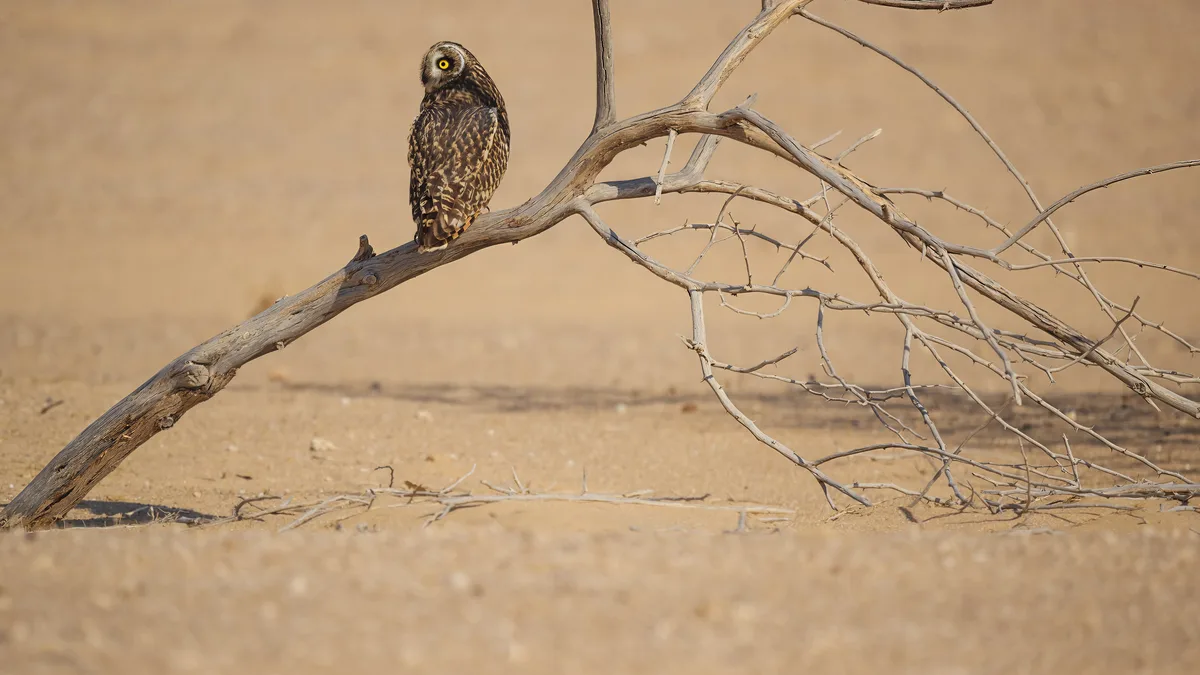
Kısa kulaklı baykuş · Fotoğraf: Manojkiri photography · CC BY-SA 4.0
Level 1 · Başlangıç · A1–A2
Metni dinle
Altı çizili kelimelere dokun!
In England, found more than 8,000 frog in an old . The bones are about 1,700 years old. Why were there so many frogs?
İngiltere'de arkeologlar eski bir hendekte 8.000'den fazla kurbağa kemiği buldu. Kemikler yaklaşık 1.700 yıllık. Neden bu kadar çok kurbağa vardı?
Some people thought it was a frog or a strange old . Maybe people ate the frogs? But there were no knife marks on the bones.
Bazı insanlar bunun bir kurbağa festivali ya da tuhaf, eski bir din olduğunu düşündü. Belki insanlar kurbağaları yemişti? Ama kemiklerde bıçak izi yoktu.
Now scientists have a new idea. and other birds caught the frogs. The birds ate them and dropped the small bones near the ditch.
Şimdi bilim insanlarının yeni bir fikri var. Baykuşlar ve başka kuşlar kurbağaları yakaladı. Kuşlar onları yedi ve küçük kemikleri hendeğin yakınına düşürdü.
Most of the frogs were very . So the mystery is : it was not people, it was hungry birds!
Kurbağaların çoğu çok gençti. Yani gizem çözüldü: İnsanlar değil, aç kuşlardı!
Gramer ipucu
so many / so much
so many + sayılabilen çoğul isim, so much + sayılamayan isim: “bu kadar çok”.
Metinden:
Why were there so many frogs?
Başka örnekler:
- There are so many people here!Burada çok fazla insan var!
- I have so much homework.O kadar çok ödevim var ki.
Bu metnin kelimeleri
- archaeologist isim arkeolog The archaeologist found an old coin.
- bone isim kemik The dog is eating a bone.
- ditch isim hendek The car went into the ditch.
- festival isim festival, şenlik We went to a music festival.
- religion isim din They studied world religions.
- owl isim baykuş Owls hunt at night.
- young sıfat genç, küçük yaşta My sister is very young.
- solve fiil çözmek Can you solve this problem?
Anladın mı? Mini quiz
-
How many frog bones did archaeologists find?
8.000'den fazla.
-
Why do scientists think people did not eat the frogs?
Kemiklerde bıçak izi yoktu.
-
Who caught the frogs, according to the new idea?
Baykuşlar ve başka kuşlar.
-
How old were most of the frogs?
Çok gençti.
Level 2 · Orta · B1
Metni dinle
Altı çizili kelimelere dokun!
More than 8,000 frog and toad bones were found in a ditch an ancient roundhouse in the Fens of Cambridgeshire, England. Radiocarbon dating shows they are about 1,700 years old. For years, the has archaeologists.
İngiltere'nin Cambridgeshire bölgesindeki Fens'te, antik yuvarlak bir evi çevreleyen bir hendekte 8.000'den fazla kurbağa ve kara kurbağası kemiği bulundu. Radyokarbon tarihlemesi bunların yaklaşık 1.700 yıllık olduğunu gösteriyor. Bu keşif yıllardır arkeologların kafasını karıştırıyor.
Some experts that the local people had a "frog cult" or ate frogs at special feasts. However, a new study in the journal Environmental Archaeology found no cut marks on the bones, so the idea of human seems unlikely.
Bazı uzmanlar yerel halkın bir “kurbağa kültü” olduğunu ya da özel şölenlerde kurbağa yediğini öne sürdü. Ancak Environmental Archaeology dergisindeki yeni bir çalışma kemiklerde kesik izi bulamadı; bu yüzden insanların pişirmiş olması fikri pek olası görünmüyor.
Paul Clarkson of Bournemouth University and his team noticed that many of the frogs had died before they were one year old. This pattern the of birds of prey. They believe short-eared owls and hen harriers hunted the frogs in the wet and left the bones behind.
Bournemouth Üniversitesi'nden Paul Clarkson ve ekibi kurbağaların çoğunun bir yaşına gelmeden öldüğünü fark etti. Bu örüntü yırtıcı kuşların beslenmesiyle örtüşüyor. Kısa kulaklı baykuşların ve gökçe delicelerin bu sulak arazide kurbağaları avladığını ve kemikleri geride bıraktığını düşünüyorlar.
So the frogs probably tell us more about ancient wildlife than about ancient rituals. Sometimes the simplest explanation is the right one.
Yani kurbağalar muhtemelen antik ritüellerden çok antik yaban hayatı hakkında bilgi veriyor. Bazen en basit açıklama doğru olandır.
Gramer ipucu
the simplest: üstünlük derecesi
Kısa sıfatlara -est eklenir: simple → the simplest, easy → the easiest. “En …” anlamı verir.
Metinden:
Sometimes the simplest explanation is the right one.
Başka örnekler:
- This is the easiest question.Bu en kolay soru.
- He is the tallest boy in class.Sınıftaki en uzun çocuk o.
Bu metnin kelimeleri
- surround fiil çevrelemek, kuşatmak Trees surround the lake.
- discovery isim keşif It was an important discovery.
- puzzle fiil kafasını karıştırmak, şaşırtmak His answer puzzled me.
- suggest fiil öne sürmek, önermek She suggested a new plan.
- cook fiil pişirmek I cook dinner every evening.
- match fiil uymak, örtüşmek Your shoes match your bag.
- diet isim beslenme, yiyecek düzeni A healthy diet is important.
- landscape isim arazi, manzara The landscape here is flat.
Anladın mı? Mini quiz
-
Where were the bones found?
Yuvarlak bir evi çevreleyen hendekte.
-
What did the new study NOT find on the bones?
Kesik izi.
-
Which birds probably hunted the frogs?
Kısa kulaklı baykuşlar ve gökçe delice.
-
What do the frogs mainly tell us about?
Antik yaban hayatı.
Level 3 · İleri · B2
Altı çizili kelimelere dokun!
When uncovered more than 8,000 frog and toad bones in a ditch a roundhouse in the Cambridgeshire Fens, the find invited colourful . Could the inhabitants have practised some kind of frog cult, or gathered for feasts of amphibians? Radiocarbon dating placed the bones around 1,700 years ago, and for a while the mystery remained open.
Kazı ekipleri Cambridgeshire Fens'teki yuvarlak bir evi çevreleyen bir hendekte 8.000'den fazla kurbağa ve kara kurbağası kemiği ortaya çıkardığında, buluntu renkli tahminlere yol açtı. Buranın sakinleri bir tür kurbağa kültü mü uyguluyordu, yoksa amfibi şölenleri için mi toplanıyordu? Radyokarbon tarihlemesi kemikleri yaklaşık 1.700 yıl öncesine yerleştirdi ve gizem bir süre çözümsüz kaldı.
A study published in Environmental Archaeology now offers a more answer. Researchers led by Paul Clarkson of Bournemouth University examined the bones for evidence of human processing and found no cut marks at all, which the theory of ritual feasting. They then turned to the age profile of the animals.
Environmental Archaeology'de yayımlanan bir çalışma şimdi daha sıradan bir cevap sunuyor. Bournemouth Üniversitesi'nden Paul Clarkson liderliğindeki araştırmacılar kemiklerde insan işlemesine dair kanıt aradılar ve hiç kesik izi bulamadılar; bu da ritüel şölen teorisini zayıflatıyor. Ardından hayvanların yaş profiline yöneldiler.
Many of the frogs had died before reaching their first year, a pattern that fits the feeding habits of birds of prey rather than human foragers. The team concludes that short-eared owls and hen harriers, both hunters of open wetland, were the most likely . Such birds swallow small prey and later bring up the indigestible bones, which would gradually around favourite perches.
Kurbağaların çoğu ilk yaşlarına ulaşmadan ölmüştü; bu örüntü, insan toplayıcılardan çok yırtıcı kuşların beslenme alışkanlıklarına uyuyor. Ekip, her ikisi de açık sulak alan avcısı olan kısa kulaklı baykuşların ve gökçe delicelerin en olası suçlular olduğu sonucuna varıyor. Bu tür kuşlar küçük avları yutar ve daha sonra sindirilemeyen kemikleri geri çıkarır; bu kemikler zamanla en sevdikleri tünekler çevresinde birikir.
The conclusion is less romantic than a frog cult, but arguably more useful. Instead of revealing an unusual ritual, the bones offer a snapshot of the Fens' ancient : a wet landscape rich enough in amphibians to sustain hunting birds right beside a human home.
Sonuç bir kurbağa kültü kadar romantik değil ama tartışmasız daha faydalı. Kemikler alışılmadık bir ritüeli ortaya çıkarmak yerine Fens'in antik ekosisteminin bir fotoğrafını sunuyor: Bir insan evinin hemen yanında avcı kuşları besleyecek kadar amfibi açısından zengin sulak bir arazi.
Gramer ipucu
rather than
rather than: “… -den çok, … yerine”. İki şeyi karşılaştırıp birini tercih ederken kullanılır.
Metinden:
a pattern that fits the feeding habits of birds of prey rather than human foragers
Başka örnekler:
- I'd like tea rather than coffee.Kahve yerine çay isterim.
- He walked rather than took the bus.Otobüse binmek yerine yürüdü.
Bu metnin kelimeleri
- excavator isim kazı yapan kişi, kazıcı The excavators worked for three months.
- encircle fiil çevrelemek A wall encircles the old town.
- speculation isim tahmin, spekülasyon There is a lot of speculation about his future.
- mundane sıfat sıradan, gündelik Most of my job is quite mundane.
- undermine fiil zayıflatmak, sarsmak The new data undermine his argument.
- culprit isim suçlu, sorumlu The cat was the culprit.
- accumulate fiil birikmek, biriktirmek Dust accumulated on the shelves.
- ecosystem isim ekosistem Pollution damages the ecosystem.
Anladın mı? Mini quiz
-
What did the find originally invite?
Renkli tahminler.
-
Why is the ritual feasting theory weakened?
Hiç kesik izi bulunmadı.
-
How do the bones accumulate, according to the text?
Kuşlar sindirilemeyen kemikleri tüneklerin çevresinde geri çıkarır.
-
What do the bones offer instead of a ritual?
Antik ekosistemin bir fotoğrafı.